

root canal treatment

If you've just been told you need a root canal, one of the first questions that probably popped into your head is how many trips to the dentist this is going to take. It's a fair question. Some people picture one long appointment, while others assume it drags out over weeks. The real answer depends on the tooth itself, and understanding why can make the whole process feel a lot less confusing.
A root canal isn't always a one-visit fix, but it isn't usually a drawn-out ordeal either. Most cases fall somewhere between one and three appointments, and the number comes down to how infected the tooth is, how complex its inner structure looks, and how the tooth responds along the way. Knowing what drives that number ahead of time can make the whole treatment feel a lot less unpredictable.
Why Root Canal Treatment Usually Takes More Than One Step
Root canal treatment in Park Ridge typically takes one to three visits, and the exact number depends on how deep the infection has spread and how many canals the tooth has. A tooth isn't a single hollow space inside, it's a network of narrow canals that branch out from the center, and each one needs to be fully cleaned before the tooth can be sealed. Anyone comparing root canal treatment in Park Ridge options often assumes it's a single quick procedure, but the number of visits really depends on the specific tooth being treated.
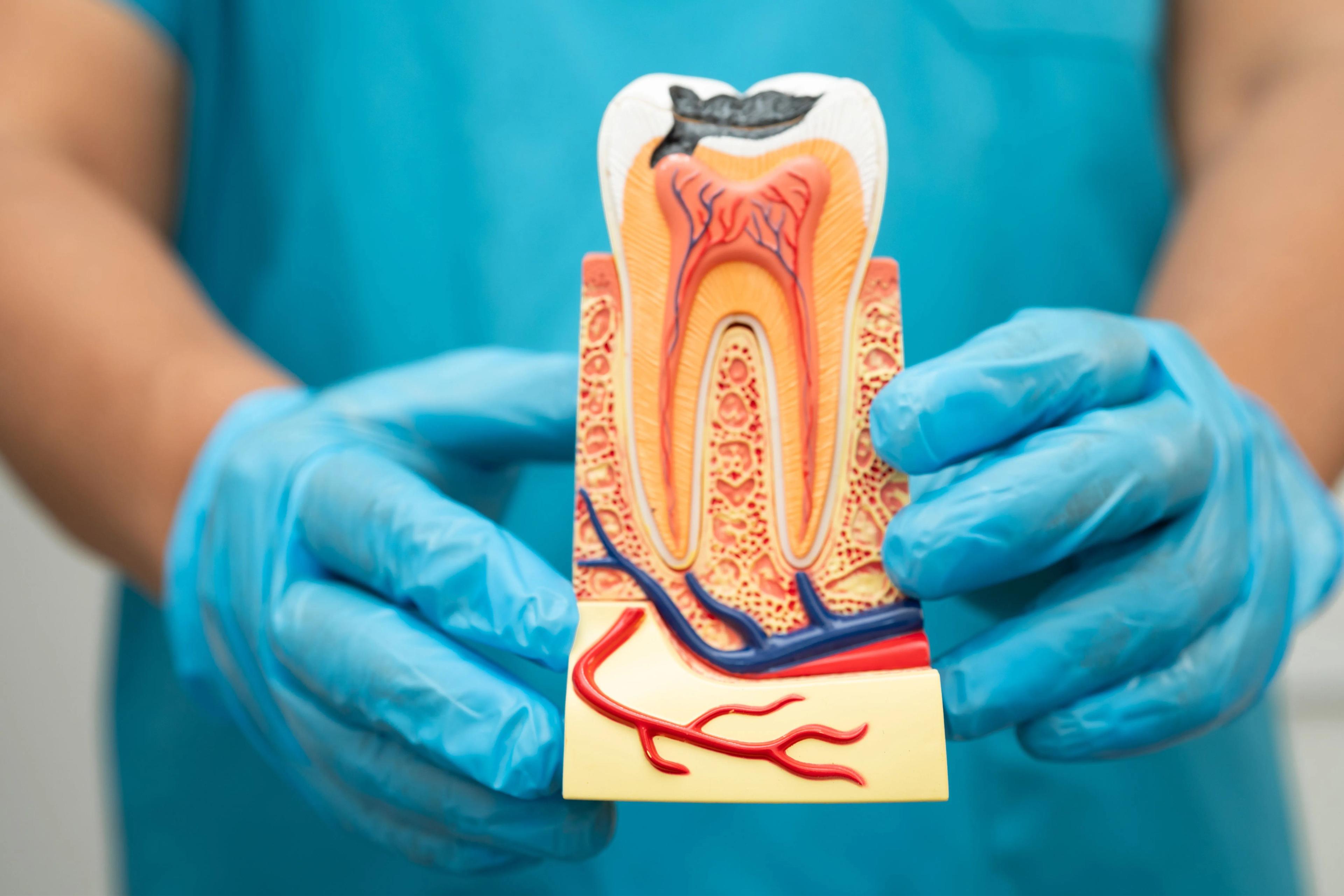
Front teeth usually have one canal, which is one reason they can sometimes be finished in a single visit. Molars, on the other hand, often have three or four canals, and each one has to be cleaned, shaped, and checked before the tooth is ready to be sealed. More canals generally means more time and, in some cases, an extra visit.
The condition of the tooth before treatment starts also plays a role. A tooth with a mild infection tends to respond faster to cleaning than one with a severe abscess, since a bigger infection needs more time to calm down before the tooth can be safely sealed. The age of the tooth, any earlier dental work on it, and how narrow or curved the canals are can all shift the number of visits up or down slightly.
What Happens During the First Visit
The first visit focuses on removing the infected pulp and cleaning out the inside of the tooth, which is the most important step in stopping the infection from spreading further. This visit usually starts with numbing the area, so the patient feels nothing sharp during the procedure.
Once the area is numb, the dentist creates a small opening at the top of the tooth to reach the canals inside. Each canal is carefully cleaned out to remove infected or damaged tissue, then shaped so it can hold the filling material that will seal it later. This cleaning step is done slowly and in stages, since rushing it can leave bacteria behind.
After cleaning, the dentist has a choice to make. If the tooth looks calm and free of major infection, it can sometimes be filled and sealed the same day. If there's still swelling, drainage, or a stubborn infection, the dentist will place a temporary filling instead and give the tooth more time to settle before finishing the job.
Why a Temporary Filling Is Sometimes Used
A temporary filling protects the inside of the tooth between appointments while medication placed inside the canals works on calming down the infection. This step isn't a shortcut, it's often what allows the final result to hold up well over time. Skipping ahead to a final filling before an infection has settled can lead to pain returning later, so dentists would rather take the extra step now.
Why Some Teeth Need a Second Appointment
A second visit is usually needed when the first appointment couldn't fully calm the infection, or when the tooth has extra canals that need more attention than one visit allows. This is common with back teeth, since their canal systems tend to be more complex than front teeth.
During a second visit, the dentist reopens the tooth, checks how well it has healed, and finishes cleaning any canals that still show signs of irritation. If everything looks healthy, this is often the visit where the tooth gets filled and sealed.
Some teeth need this extra step simply because of their shape. A curved or unusually narrow canal takes more time to clean thoroughly, and rushing that step can lead to problems later, so dentists would rather take an extra visit than leave any infected tissue behind. In a small number of cases, a third visit is scheduled if healing takes longer than expected.
What Happens During the Final Visit
The final visit is when the tooth is sealed, and in many cases, fitted with a crown to protect it from cracking under normal biting pressure. A dentist park ridge il patients often see for this last step will confirm the infection has cleared before moving forward with the filling.
At this stage, the canals are filled with a rubber-like material that seals them from top to bottom, helping keep bacteria from getting back inside. The opening at the top of the tooth is then closed with a filling. Since a tooth that's had a root canal can become more brittle over time, most dentist park ridge il patients are recommended a crown afterward to add strength and protect the tooth for daily use.
This visit is usually shorter than the first one, since most of the deep cleaning work has already been done in earlier appointments. Many patients describe this step as easier than they expected, mainly because the discomfort that brought them in has already improved by this point.
How Long a Crown Fitting Typically Adds
Fitting a crown usually adds a short appointment of its own, since the tooth needs to be measured and shaped before the crown is placed. Some offices can prepare a crown on the same day, while others send the measurements out and schedule a short follow-up once it's ready.
What Can Make a Root Canal Take Longer Than Expected
A few specific factors can add extra time or an extra visit to root canal treatment, including canal shape, the severity of the infection, and how the tooth responds to initial cleaning. None of these factors are unusual, they're simply part of how a dentist decides the safest pace for treatment.
Common reasons a root canal might take longer include:
Curved or narrow canals that take more time to clean thoroughly
A severe infection or abscess that needs time to calm down
Extra canals in molars that each need individual attention
A tooth that shows continued sensitivity after the first cleaning
Scheduling around swelling or infection flare-ups before sealing the tooth
None of these situations mean something has gone wrong. They simply mean the dentist is being careful about fully clearing the infection before sealing the tooth, which matters more for long-term results than finishing quickly.
What to Expect Between Appointments
Between visits, most patients feel noticeably better once the infected tissue has been removed, even though the tooth isn't fully sealed yet. Mild soreness around the area is common, and it usually responds well to basic over-the-counter pain relief.
It's normal to be given care instructions for the temporary filling, such as avoiding hard or sticky foods on that side of the mouth until the final visit. This helps protect the temporary material and keeps the tooth clean while treatment is still in progress.
If pain gets noticeably worse, or swelling shows up between appointments, it's worth contacting the dentist rather than waiting for the next scheduled visit, since this can sometimes signal that the tooth needs a closer look sooner rather than later.
Bringing It All Together
Most root canals take one to three visits, and the number comes down to how complex the tooth's canals are and how the infection responds to cleaning. A simple front tooth might be finished in a single appointment, while a molar with a stubborn infection may need an extra visit to get fully cleared.
Knowing what to expect at each stage makes the whole process feel far less uncertain. If you're dealing with lingering tooth pain or sensitivity, getting it checked sooner rather than later often means a more straightforward path to treatment, with fewer surprises along the way.